Inheritance lawyer in Barcelona
When a relative dies, decisions have to be made about whether to accept the estate, who inherits if there is no will and how the assets are divided, with tax deadlines that run from the date of death. At Antonio Galiano Legal, a law firm in the Sant Andreu district of Barcelona, we guide heirs and families through the whole process, by agreement or before the courts.
- Full handling of the estate, with or without a will
- Negotiation between heirs and, if there is no agreement, division by the court
- Review of the will, forced shares and debts before accepting
What inheriting in Catalonia involves
In Catalonia, inheritance is governed by Book Four of the Civil Code of Catalonia. The heirs are those named in the will and, if there is none, the law sets an order of heirs, which is established by a declaration of heirs before a notary. Before accepting, it is advisable to know which assets and which debts make up the estate, because the heir's liability depends on that decision.
- Accepting or renouncing. An heir can accept or renounce the inheritance. Accepting with the benefit of inventory can prevent the estate's debts from affecting the heir's own assets, if it is done in the form and within the time limit the law requires.
- The forced share (legítima). In Catalonia, the children's forced share is one quarter of the value of the estate. If the will does not respect it, it can be claimed.
- Taxes. Inheritance tax must be filed within six months of the death, a period that can be extended. If there is property, municipal capital gains tax (plusvalía) may also be due.
- If there is no agreement. When the heirs cannot agree on the division, any of them can ask the court to divide the estate.
What we handle
- Declarations of heirs when there is no will
- Acceptance, renunciation and acceptance with the benefit of inventory
- Division and allocation of the assets
- Disputes between heirs and court division of the estate
- Claims for the forced share
- Challenging a will
- Executors and legacies
- Inherited homes held in co-ownership: sale or ending the co-ownership
- Wills and succession planning
How we work
First, the documents. We review the death certificate, the certificate of last wills, the will if there is one and the information on assets and debts. That tells us what is at stake.
Then, the options and deadlines. We explain what you can do, what consequences each option may have and which dates must not be missed, before you make any decision.
Agreement where possible. Many estates can be settled before a notary. When there is no agreement, we defend your interests in court.
Who handles your case
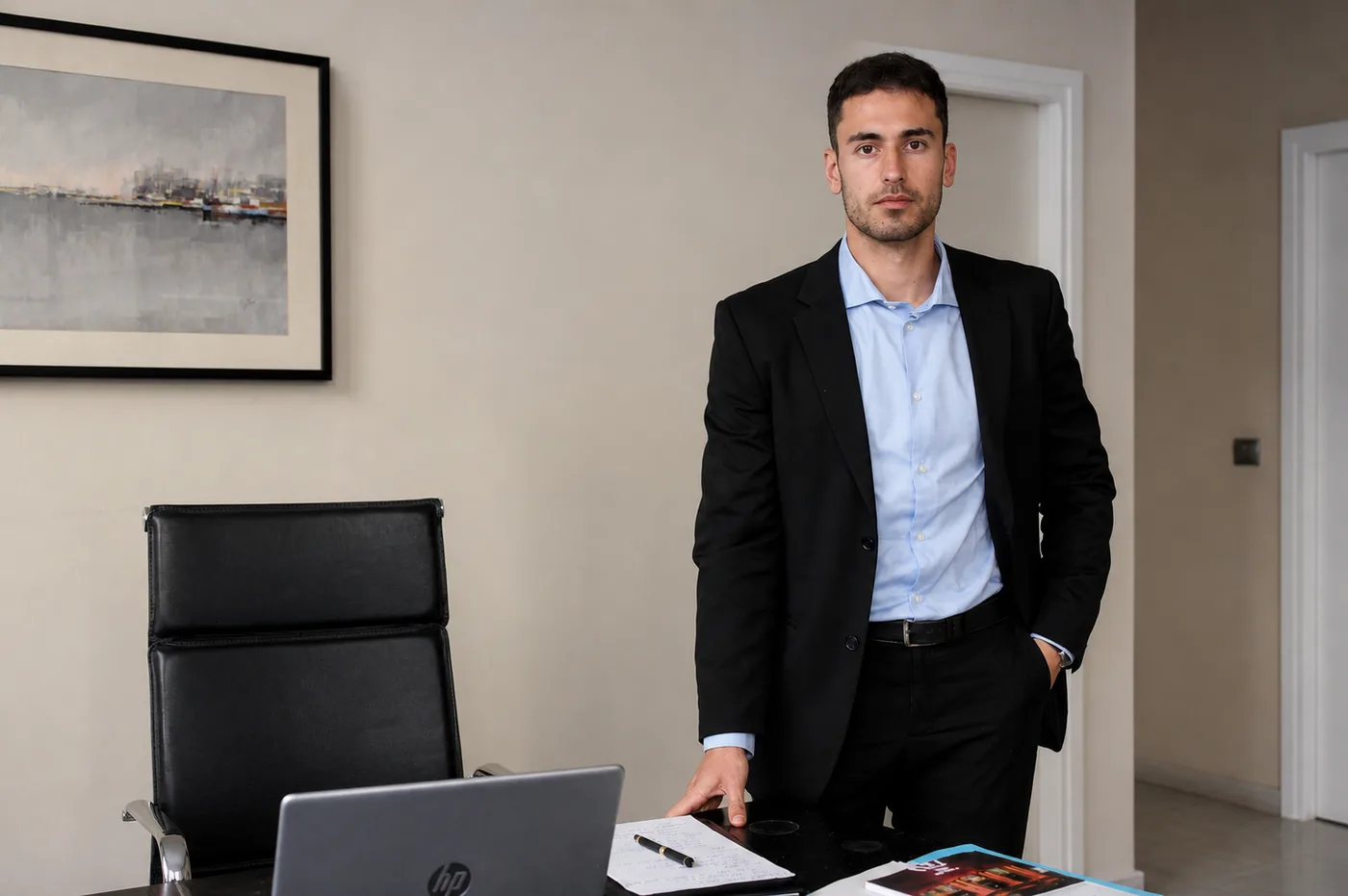
Antonio Galiano Ortega, a lawyer registered with the Barcelona Bar Association (Il·lustre Col·legi de l'Advocacia de Barcelona) under number 48.015. The office is at Carrer de Portugal, 3, in the Sant Andreu district, next to La Sagrera. We work in Barcelona, Badalona, L'Hospitalet de Llobregat and the metropolitan area.
Legislation cited